


5 Automation‑First Steps to Boost E‑commerce SEO and Traffic

5 Automation‑First Steps to Boost E‑commerce SEO and Traffic
Most e‑commerce teams know what to do for SEO; they just don’t have the hours. The fastest way to increase traffic is to keep the strategy simple and automate the repetitive work.

1. Standardize Product SEO Templates
Random page structures confuse both crawlers and shoppers. Create a simple template for:
- Title tag
- Meta description
- H1
- First paragraph
Document the pattern once, then use RankBolt’s AI SEO writer to generate optimized variants for every product instead of rewriting them by hand in Shopify or WooCommerce.
2. Automate Evergreen Blog Production
Your blog should constantly target new long‑tail queries like "best gifts for cyclists under $50" or "how to pick the right protein powder".
With the AI blog generator:
- Feed in your priority categories and product types.
- Generate 10–20 article ideas grouped by search intent.
- Approve the best titles and schedule posts for the next month using the content calendar.
That gives you consistent SEO content output without weekly brainstorming.
3. Sync Content Across Multiple Stores
Agencies and brands running several sites often duplicate effort: the same topic is written three different times.
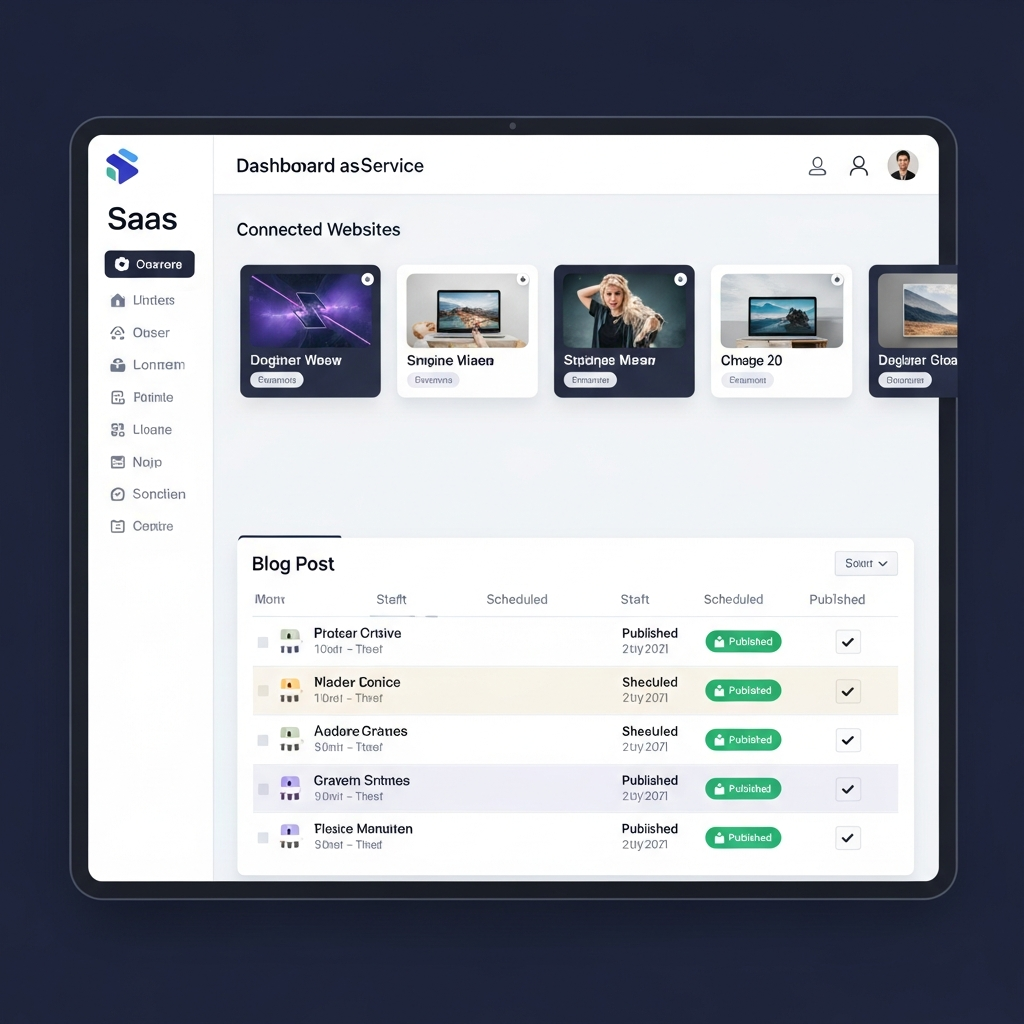
Using multi-site blog management, you can:
- Create one article template per topic.
- Localize or slightly adapt copy per store.
- Auto‑publish to WordPress, Webflow, or Shopify from a single dashboard.
This keeps your messaging aligned and saves days of manual copying.
4. Refresh Underperforming Posts in Batches
Old posts with impressions but low clicks are low‑hanging fruit. Export them from Search Console, then batch them through RankBolt to:
- Tighten titles around e‑commerce SEO keywords.
- Add internal links to current products.
- Update pricing, images, and CTAs.
Refreshing 20 posts often drives faster gains than writing 20 brand‑new ones.
5. Build a Monthly SEO Routine You’ll Actually Follow
A simple recurring workflow beats a massive one‑off project. Each month, block time to:
- Review top queries and pages.
- Add 2–4 new blog posts focusing on SEO tips and buying guides.
- Optimize 5 existing product or category pages.
Handle idea generation and drafting with RankBolt, then spend your time on polishing, merchandising, and measurement. That’s how small teams ship enterprise‑level content volume and keep traffic climbing.